"It was just past closing time when we dropped into the club to talk with Sam Cooke that night. 'Mr Soul' was singing for himself and for the small group of musicians who accompanied him. Standing to the rear of the club, we watched the young singer - tie off, jacket slung on a cane-backed chair - settle into a mood. We heard him sing through a smoky after-hours haze. The night's work was done. This was for the pure pleasure of performing..."
This was the way that Hugo And Luigi, successful hit-making pop producers working for RCA, described their first encounter with the live sound of the artist they had been trying to generate a pop hit for in the classic mould. They had gone to the Town Hill Club in Brooklyn in April 1960 to listen to Mr Sam Cooke:
"One song, two songs, and then even the waiters, busy with get-home chores, stopped work to listen. One by one they paused for a cigarette, pulled up a chair. Conversations lowed and ceased."
Hugo and Luigi were more accustomed to making mainstream pop that was successful and catchy. While they had dabbled in the r&b field with Della Reese, scoring a spectacular success with a r&b No. 1 and Pop No. 2, they had been struggling to understand what it was exactly about Mr Cooke. What were they not bringing out in the studio? Now they were experiencing the side to Sam's music that was not captured on any number of their records together to date...
"It was an experience to live through, to see Sam singing to a black audience... it seemed like it was effortless, the audience just loved every nuance, they fed on every little thing, they were enwrapt", recalled Luigi in an interview with renowned author Peter Guralnick.
 Hugo and Luigi had been chosen by Sam because they could provide production values to complement Sam's music, make it successful in a mainstream pop market, without drowning it in traditional pop production. They sometimes did not necessarily connect with the deeper messages in some of Sam's songs, but on this occasion, they could sense that this was more than pop music for the sake of it. Soon after seeing Sam perform, they returned to the studio with a small band, like the one Sam had played with, and rerecorded Chain Gang, a pop classic with a personal message about the pain of incarceration. The hits, and a connection with the concerns of Sam Cooke, had been established...
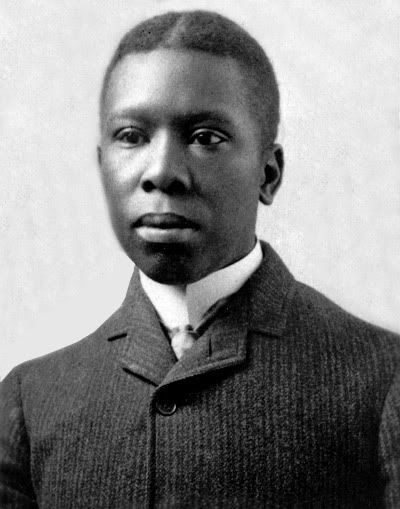
 Last summer, I did a post on poetry for a change. I chose Paul Lawrence Dunbar's classic, We Wear The Mask. I discussed briefly how Dunbar's work had impressed well-known black disc-jockey and black history collector Magnificent Montague, and set him upon his life-long and continuing journey to conserve the cultural heritage of African-Americans. What I did not know then was that it had also made an impact on his friend Sam Cooke, whose brother LC had sung in Montague's band The Magnificents.
In Peter Guralnick's frank and absorbing biography of Sam Cooke, Dream Boogie, he explains how Wear Wear The Mask inspired Sam to write Laughin' And Clownin', a track for Night Beat, the album he recorded in February 1963. It was his first LP with a small group backing, organised by close associate Rene Hall (as opposed to the strings arrangements Sam had gone for with most of his albums up to that point.) As an aside, Billy Preston, then just sixteen years old, is playing organ.
The song echoes the poem's themes of a hidden aspect of character for African-Americans, at a time when survival in white-dominated society required they conceal their true opinions. It was a way of coping with discrimination that everybody associated with Sam Cooke agree he simply would not accept. That was the truly inspiring thing about Sam Cooke, who had succeeded in becoming the most successful singer since Elvis on RCA, owner of his own record label, without ever compromising his beliefs or dignity.
Recalling that first time they went to meet Sam in a club, three years before, Hugo and Luigi wrote:
"What we witnessed that night was not a performance in the accepted sense. The effort had all of Sam's artistry and style, but there was something more intense and personal about it. Actually, we were eavesdropping on a top singer in those dark hours...
This, we know, is it. It's just past closing time, and Sam is singing for himself. There's an empty table over there. Welcome to Night Beat."
The mask is off, and it won't be worn.
Sam Cooke - Laughin' And Clownin' (Night Beat LP RCA LSP-2709) 1963

 Liner notes written by Hugo and Luigi from the LP Nightbeat. Other information and quote from Luigi from Dream Boogie by Peter Guralnick, and Burn Baby Burn by Magnificent Montague and Bob Baker.